


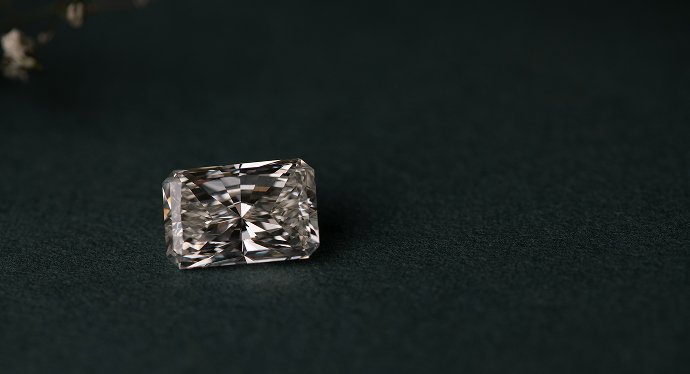
Inclusions are materials trapped inside a diamond during its formation, and understanding
them can enhance your appreciation for these remarkable gems:
- What are Inclusions? Inclusions are foreign materials or structural imperfections enclosed within a diamond. These can be minerals, other diamond crystals, tiny gas bubbles, or even structural distortions in the carbon lattice. They formed millions (or even billions) of years ago, often under immense pressure and heat deep within the Earth.
- Types of Inclusions: The world inside a diamond is diverse! Common inclusion types include:
- Feathers: These are tiny fractures within the diamond, resembling small feathers or cracks.
- Crystals: These are small mineral inclusions trapped within the diamond, such as garnet, olivine, or other diamond crystals.
- Clouds: These are clusters of pinpoint inclusions that create a hazy or cloudy appearance.
- Pinpoints: These are tiny individual inclusions that resemble tiny dots.
- Needles: These are long, thin inclusions that resemble tiny needles.
- Impact on Value: The size, number, type, and location of inclusions can affect a diamond’s clarity grade, which is a major factor in determining its value. Large or dark inclusions that are visible to the naked eye will typically lower a diamond’s value, while smaller, less noticeable inclusions may have minimal impact.
- Identifying Origins: In some cases, inclusions can provide clues about a diamond’s geographic origin. Certain types of mineral inclusions are more common in diamonds from specific regions, allowing gemologists to trace a diamond’s provenance.
- The Beauty of Imperfection: While some inclusions detract from a diamond’s brilliance, others add to its unique character and appeal. Some collectors actively seek out diamonds with interesting or unusual inclusions, viewing them as natural “fingerprints” that make each stone one-of-a-kind. They provide a tangible link to the diamond’s ancient history and natural origins.