


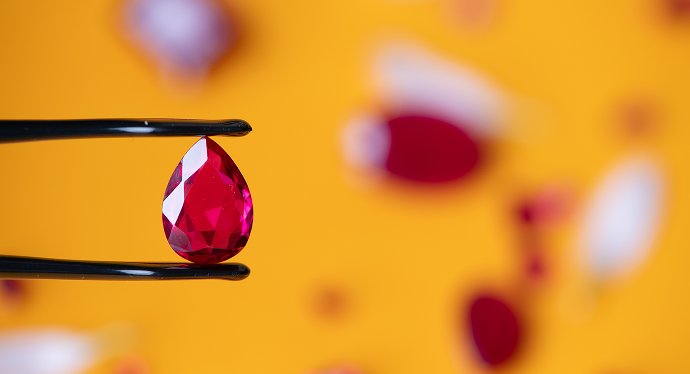
Gemstone treatments are processes applied to gemstones after they have been mined to
improve their appearance and marketability:
- Common Types of Treatments and Their Purposes:
o Heat Treatment: One of the most common treatments, used to enhance the color of sapphires, rubies, and other gemstones by altering their internal chemistry.
o Irradiation: Used to create or enhance the color of blue topaz and other gemstones by exposing them to radiation.
o Fracture Filling: Used to improve the clarity of emeralds and diamonds by filling surface-reaching fractures with a resin or oil.
o Dyeing: Used to enhance the color of porous gemstones like jade and turquoise by impregnating them with a dye.
o Coating: Used to improve the color or luster of a gemstone by applying a thin layer of material to its surface. - Transparency and Disclosure: The Cornerstone of Ethical Practices: It’s essential to be transparent about any treatments that a gemstone has undergone. Reputable gemstone dealers will always disclose this information to their customers.
- Ethical Considerations: Weighing the Benefits and Risks: While some treatments are widely accepted, others are more controversial. It’s important to understand the ethical implications of different treatments and to make informed choices based on your values and the preferences of your customers.
- Impact on Value: Understanding the Market Dynamics: Gemstone treatments can affect a stone’s value.